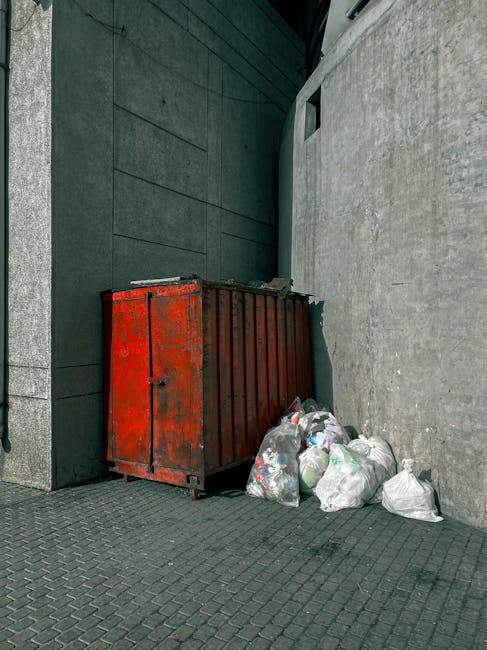
Insider tips for rubbish clearance on Sydenham High Street
If you are trying to get rid of clutter, shop waste, or a stubborn pile of bulky items near Sydenham High Street, the job can look simple at first and then suddenly turn into a small headache. Tight pavements, busy delivery windows, awkward access, and the usual mix of household and business waste all add up. The good news? With the right approach, rubbish clearance on Sydenham High Street can be quicker, cleaner, and less stressful than most people expect.
This guide pulls together practical, local-minded advice for planning a smooth clearance, avoiding common mistakes, and choosing the most sensible method for the job. Whether you are clearing a flat, a storefront, an office, or a one-off bulky load, the aim is the same: keep it efficient, keep it legal, and avoid paying for avoidable problems.
You will also find a few insider-style tips that people often miss the first time round. Some are small. Some save real money. And a couple can spare you from that awful moment when a van turns up and the waste is nowhere near ready. Let's face it, nobody enjoys that.
Table of Contents
- Why rubbish clearance on Sydenham High Street matters
- How the clearance process works
- Key benefits and practical advantages
- Who needs this service and when it makes sense
- Step-by-step guidance
- Expert tips for better results
- Common mistakes to avoid
- Tools, resources and recommendations
- Law, compliance, standards and best practice
- Options and comparison table
- Case study example
- Practical checklist
- Conclusion
- Frequently asked questions
Why rubbish clearance on Sydenham High Street Matters
Sydenham High Street has the kind of day-to-day movement that makes waste management more sensitive than a quiet residential street. Deliveries come and go. Pedestrians are passing constantly. Shops, cafes, offices, and homes all create different waste streams, and they rarely line up neatly. If rubbish is left too long, it becomes more than an eyesore. It can block access, attract pests, create odours, and make a premises feel neglected.
That matters for businesses especially. First impressions start outside the door. A tidy frontage tells customers you are organised. A messy stack of cardboard, broken furniture, or black bags does the opposite. For households, the issue is usually practical: you want things gone without disrupting your week or leaving a trail of dust, splinters, and packaging behind.
There is also a timing issue on a street like this. The best clearance jobs are often the ones that are planned around footfall, parking, and loading conditions rather than left until the last minute. In our experience, the people who prep well almost always get a smoother collection. The ones who don't? They spend the morning hunting for space and apologising to neighbours. Not ideal.
If you are dealing with mixed waste, bulky furniture, or a cleared-out room full of odds and ends, it helps to think of the job as a sequence, not a single event. That small mindset shift can save an hour, sometimes more.
How rubbish clearance on Sydenham High Street Works
At a practical level, clearance usually follows a simple flow: assess the waste, sort what can be reused or recycled, confirm the collection method, and load everything safely. Sounds straightforward. The reality is that small details change the outcome quite a bit.
A professional team will normally want to know what sort of waste you have, how much there is, whether anything is heavy or awkward, and whether access is straightforward. On a high street, the access question matters a lot. Is there a rear entrance? Can a vehicle stop safely? Is there a lift? Can bags or items be moved without carrying them through a public-facing area? These things sound mundane, but they shape the whole job.
Domestic clearances tend to involve furniture, appliances, bags of mixed household rubbish, loft contents, or garage clutter. Commercial clearances usually involve cardboard, packaging, old display items, office furniture, archive boxes, or end-of-lease waste. If you need specialist handling, items like fridges, mattresses, or confidential documents should be separated early so they are not treated like ordinary waste.
If you already know the waste type, it can help to compare services before booking. A broader rubbish removal service may suit mixed loads, while a more focused option such as furniture clearance or office clearance may be a better fit when the job is clearly defined.
One small but useful point: the best clearance runs are usually the ones where the client has made a "keep, donate, remove" decision before the team arrives. Half-sorted waste slows everyone down. It is one of those unglamorous truths, but there it is.
Key Benefits and Practical Advantages
The obvious benefit is that rubbish disappears. Fair enough. But the real value is broader than that.
- Less disruption: a planned clearance avoids piles sitting around for days.
- Better use of space: whether it is a flat, shop stockroom, or office back area, cleared space is easier to work with.
- Safer movement: fewer trip hazards, fewer blocked walkways, fewer awkward lifting jobs.
- Cleaner presentation: especially important for customer-facing premises.
- More recycling opportunity: if items are sorted well, more can be diverted from disposal.
- Less stress: yes, really. People underestimate how much mental relief comes from one properly handled clearance.
A less obvious benefit is cost control. When waste is separated sensibly and ready for collection, there is usually less time wasted on site. That can make a visible difference to the efficiency of the job. Truth be told, some of the cost of rubbish clearance is hidden in avoidable delays.
There is also the safety angle. Heavy items, broken glass, rusty metal, or sharp packaging edges can create avoidable injuries if they are left where people need to walk. A careful clearance reduces that risk before it turns into a bigger problem.
Expert summary: the smartest rubbish clearance jobs are not the fastest by luck; they are the fastest because someone planned the access, sorted the waste, and made sensible decisions early.
Who This Is For and When It Makes Sense
This kind of clearance is useful for a wide range of people in and around Sydenham High Street. You do not need to be moving house or refurbishing a whole building to benefit from it.
- Shop owners dealing with packaging, damaged stock, or old fixtures.
- Office managers clearing desks, chairs, confidential waste, or storage rooms.
- Landlords and letting agents preparing a property between occupants.
- Homeowners and tenants clearing out furniture, appliances, lofts, or garages.
- Tradespeople removing builders' waste after small projects or repairs.
- Anyone with bulky items that will not fit into regular council-style collection routines.
It makes sense when the waste is too much for normal bin collections, too awkward for a small car, or too time-sensitive to leave sitting around. It also makes sense if you need a clean handover before opening hours, a sale, a fitting, or a move. In a busy street setting, timing is half the battle.
If you are working on a commercial unit, the surrounding job may include other waste streams too. Businesses often pair clearance with business waste removal or, for paper-heavy environments, confidential shredding. That kind of joined-up approach usually feels calmer on the day.
Step-by-Step Guidance
If you want a smoother clearance, use this sequence. It is basic, but it works.
- Walk the site first. Check where waste is located, how it will be carried out, and whether doors, stairwells, lifts, or rear access can cope.
- Separate waste by type. Keep furniture, cardboard, general rubbish, electricals, and hazardous materials apart where possible.
- Decide what stays. Before anything is moved, mark items you are keeping. Sounds obvious, but mistakes happen when everything looks similar.
- Measure the awkward stuff. A wardrobe, sofa, or appliance may need more than one person and a clear route.
- Check timing. Avoid peak pedestrian periods where practical, especially if the collection point is visible from the high street.
- Confirm the method. Whether it is a van collection, man-and-van style load-up, or a fuller clearance team, make sure the approach fits the waste volume.
- Prepare the area. Move fragile items, protect floors if needed, and keep children or customers away from the work zone.
- Ask about sorting and disposal. A reputable operator should be able to explain what happens to the waste after collection.
A useful little trick: place all obvious rubbish in one zone the day before. Not in a random scatter, not in three different corners. One zone. It makes the actual clearance feel much less chaotic. You will notice the difference almost immediately.
If you are dealing with larger household volumes, it can help to read up on related services like house clearance or home clearance. Those pages are useful when the job is broader than just a few bags.
Expert Tips for Better Results
Here is where the insider part really matters. Small, practical choices can make a clearance noticeably better.
1. Separate the easy recycling first
Cardboard, clean plastics, and metal are often easier to handle when they are not mixed with general rubbish. If your site produces a lot of packaging, it may be worth looking at a more structured approach through recycling and sustainability. That way, the clearance is cleaner and the disposal route is more efficient.
2. Keep electricals apart
Fridges, microwaves, monitors, and similar items are not just "more rubbish." They need handling that suits the item. If you throw everything into one pile, the collection can become slower and less tidy. When possible, set electricals aside in a separate stack.
3. Plan around the weather
It sounds trivial until you are standing on a wet pavement with cardboard going soft in the drizzle. A dry morning can make all the difference, especially for loads containing paper, packaging, or fabric items.
4. Photograph the load before collection
This is one of those slightly boring but very useful habits. A quick photo helps confirm what is being removed and gives you a record if you need to check the scope afterwards. Handy, especially on bigger jobs.
5. Don't ignore the awkward access issue
If the collection point is through a rear lane, narrow hallway, or shared entrance, say so early. Surprises on the day rarely improve things. They usually just add lifting, noise, and delay.
6. For bulky items, clear the route first
One chair leg caught on a rug can slow a whole load. Move shoes, bins, small boxes, and floor clutter out of the way before collection starts. It is a tiny job with a big payoff.
If you are clearing larger household items, mattress and sofa disposal and fridge and appliance removal are useful reference points for items that need a bit more care than a standard bag-and-bin sort.
Common Mistakes to Avoid
Even tidy, organised people get caught out here. These are the mistakes that create most of the stress.
- Leaving sorting until collection day. That slows everything down and makes decisions harder.
- Assuming everything can go together. It cannot. Different waste types often need different handling.
- Forgetting access constraints. Narrow entrances, parking restrictions, or locked gates can trip up a job fast.
- Underestimating volume. "Just a few bits" can become a van-load if you stop and look closely.
- Ignoring fragile or dangerous items. Broken glass, chemicals, and heavy fittings need care.
- Not checking what is included. People sometimes assume labour, loading, and disposal are all bundled the same way. They are not always.
A classic one is the last-minute "Oh, we forgot the back room." It happens. But if the back room contains another six bags, two broken chairs, and a printer from 2018, the plan needs adjusting. Better to know that before the team arrives.
Another common slip is not separating items that could be reused. For example, a serviceable desk or shelving unit might be suitable for reuse, while broken parts go for disposal. If there is any chance of rehoming items, decide that early. It saves effort and keeps more material in circulation.
Tools, Resources and Recommendations
You do not need a warehouse of kit to manage rubbish clearance well. A few simple tools and habits go a long way.
- Heavy-duty bags or sacks: useful for mixed light waste, but do not overload them.
- Gloves: basic protection for handling sharp or dirty materials.
- Tape, labels, or markers: excellent for marking keep, recycle, and remove zones.
- Dolly or sack truck: helpful if you are moving boxes or small appliances over a short distance.
- Floor protection: cardboard or coverings can help if items must be moved through finished interiors.
On the planning side, practical service pages can help you match the right method to the waste type. For example, builders waste clearance is useful if you are dealing with renovation debris, while garage clearance or loft clearance makes more sense for household storage areas that have quietly filled up over the years.
If you are comparing approaches, keep an eye on booking flexibility, loading support, recycling practices, and whether the provider can handle mixed waste in a single visit. It is not always about choosing the cheapest option. Sometimes the cheapest job becomes the expensive one because it needs doing again. Annoying, but true.
Law, Compliance, Standards and Best Practice
Waste clearance in the UK should always be treated carefully, especially for business waste and anything that could be classified as hazardous or sensitive. You do not need to become a compliance expert, but you do need to make sensible choices.
As a rule, use a service that can explain where the waste goes, how it is sorted, and what happens to special items. Businesses should be particularly careful with commercial waste, confidential papers, electricals, and anything that may need separate handling. If you are dealing with potentially harmful materials, use a service that specifically says it handles hazardous items rather than hoping it will all be fine in a mixed load. Hope is not a disposal plan.
Best practice also means avoiding fly-tipping risk. If waste is handed to an untrustworthy operator and dumped illegally, the problem can come back to you. That is why asking basic questions matters: are they insured, how do they handle waste, and can they explain their process clearly? These are not awkward questions. They are responsible ones.
For workplace and site safety, look for sensible lifting practice, proper vehicle loading, and careful handling of sharp or heavy materials. The provider should also take the time to avoid damage to walls, flooring, and shared access points. If you want more context on how a professional operator approaches safety and standards, pages like health and safety policy and insurance and safety can be helpful.
For very specific waste streams, it is worth checking dedicated guidance. hazardous waste disposal is the right place to start for anything that should not be treated as general rubbish, while what can go in a skip can help if you are comparing disposal methods and need a sense of what is normally accepted.
Options, Methods, or Comparison Table
There is no single best method for every clearance. The right choice depends on size, access, timing, and what you are removing.
| Method | Best for | Pros | Watch-outs |
|---|---|---|---|
| Man-and-van style clearance | Mixed household or business loads | Flexible, fast, good for awkward access | May not suit very large volumes |
| Skip-based approach | Ongoing work or renovation debris | Useful for extended projects | Needs space and careful filling |
| Specialist item removal | Furniture, appliances, mattresses, or office items | Focused handling and easier sorting | Not ideal for mixed general waste piles |
| Full property clearance | Whole rooms, flats, lofts, or house contents | Thorough and time-saving | Needs more planning and access coordination |
If you are trying to decide, ask yourself a simple question: is the main problem volume, or is it variety? If it is volume, a bulk approach might suit. If it is variety, a mixed clearance is usually better. Sounds obvious, but people often choose the wrong tool for the wrong job.
For example, a single broken sofa and some packaging are a very different job from a room full of old stock, paperwork, and fittings. Matching the method to the waste type is one of the easiest ways to avoid overspending.
Case Study or Real-World Example
Here is a realistic local-style example. A small retail unit just off Sydenham High Street needed to clear old shelving, broken display stock, flattened boxes, and a couple of damaged chairs before a refit. The first instinct was to pile everything at the back and deal with it later. That would have worked, eventually, but not cleanly.
Instead, the team split the waste into three groups the afternoon before collection: reusable shelving, recyclable cardboard, and general waste. The route from the stockroom to the exit was checked, a few tight corners were cleared, and the heavier items were moved last. The whole job felt calmer because the decisions had already been made.
The noticeable win was not just speed. It was control. The frontage stayed tidy, staff were not stepping around a chaotic pile, and the final loading was much quicker because no one was stopping to ask, "Can this go too?" That question can eat time for breakfast if you let it.
That is the pattern behind most smooth clearances: pre-sort, protect the access route, and keep the collection area simple. Small things, really. But they change the day.
Practical Checklist
Use this quick checklist before your rubbish clearance on Sydenham High Street.
- Identify all waste items and group them by type.
- Separate anything reusable, recyclable, or sensitive.
- Measure bulky items and check access routes.
- Confirm parking, loading, or rear-entry arrangements.
- Move fragile items away from the working area.
- Label what stays and what goes.
- Put all loose rubbish in one clearly defined zone.
- Set aside hazardous, electrical, or specialist waste.
- Check the timing against opening hours or neighbour disruption.
- Ask how the waste will be handled after collection.
- Keep a record or photo of the load if you want extra clarity.
- Make sure the area is safe and easy to walk through after the clearance.
Quick takeaway: the smoother the pre-sort, the easier the clearance. That one habit does more than any fancy trick.
Conclusion
Rubbish clearance on Sydenham High Street does not have to be messy, expensive, or disruptive. When you plan the access, sort the waste properly, and match the method to the load, the job becomes much more straightforward. That is true whether you are clearing a flat, a shop, or a back room full of forgotten odds and ends.
The most useful insider tip is also the simplest: prepare before the collection, not during it. A few minutes of sorting, labelling, and route-checking can save a surprising amount of time on the day. And if you are dealing with mixed items, appliances, furniture, or business waste, choosing the right service upfront usually pays off in a cleaner result and less hassle.
If you are ready to move from "I should sort that out" to "done and dusted," take the next step now.
Get a free quote today and see how much you can save.
Sometimes the best kind of clear-out is the one that quietly gives you your space back. Nice little victory, that.
Frequently Asked Questions
What is the best way to arrange rubbish clearance on Sydenham High Street?
The best way is to sort the waste first, confirm access and timing, and choose a collection method that matches the load. Mixed waste, bulky furniture, and specialist items usually need different handling.
Can I mix household and business waste in one clearance?
Sometimes, but it depends on the type of waste and the provider's process. It is usually better to separate commercial waste from household rubbish where possible, especially if any items are sensitive or specialist.
How do I know if my waste is suitable for recycling?
Clean cardboard, some metals, and many reusable items can often be separated for recycling or reuse. Dirty, mixed, or contaminated waste is less likely to be recyclable, so sorting early helps.
Do I need to prepare my items before the clearance team arrives?
Yes, a little preparation makes a big difference. Clear access routes, separate keep and remove items, and group the rubbish by type if you can. It saves time and reduces mistakes.
What should I do with fridges, mattresses, or sofas?
These items often need specific handling, so they should be identified in advance. Dedicated removal options like appliance, mattress, or furniture services are usually the cleanest route.
How can I avoid hidden costs?
Be clear about what is included, describe the waste honestly, and mention access issues before booking. Unexpected stairs, parking problems, or extra waste can all affect the final arrangement.
Is rubbish clearance better than using a skip?
It depends on the job. A skip may suit longer projects with space to spare, while a clearance service is often better for fast, mixed, or access-sensitive jobs on a busy street.
What happens to the rubbish after collection?
That depends on the provider and the waste type. Good practice is to sort items for reuse, recycling, and disposal where possible, with specialist handling for anything that needs it.
Can rubbish clearance be done before shop opening hours?
Often, yes, if the provider can schedule it and access allows it. Early timing can be useful on a high street to reduce disruption and keep the frontage tidy before customers arrive.
What if I have hazardous waste?
Hazardous materials should be identified separately and never mixed with general rubbish. Use a provider that explicitly handles hazardous waste and can explain the process clearly.
How long does a typical clearance take?
It varies by volume, access, and sorting. A well-prepared small clearance may be quick, while a fuller property or commercial clearance needs more time. Preparation usually shortens the visit.
What is the biggest mistake people make?
Leaving everything unsorted until the day of collection. That is the one that causes delays, confusion, and extra effort. A little prep really does pay off.
For more general background and service details, you may also find it useful to browse the site's wider pages such as waste removal or the main homepage if you want to compare related options.